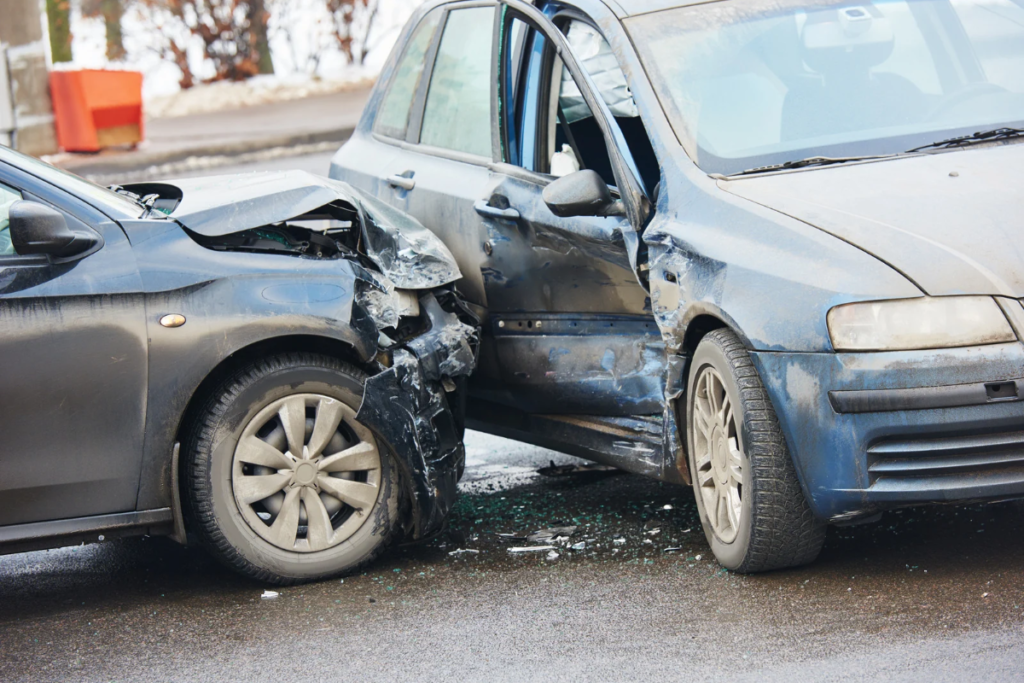
Recently, one of our clients came into the office. He had been driving down the road and doing everything right when a teenage driver hit his car. The accident clearly wasn’t his fault, but the other driver was uninsured. With no policy to pay for his repairs, he had to file a claim with his own insurance company and pay his deductible out of pocket.
It’s no surprise he was upset! Paying for damage you didn’t cause is unfair, and honestly, it’s really frustrating. Understanding how these types of situations work ahead of time can take a lot of the sting out of them.
In this blog, we’ll explain what it means to be underinsured in Minnesota and what happens after an accident with an uninsured driver. We’ll also cover how the right auto insurance coverage can protect you.
What Does It Mean to Be Underinsured in Minnesota?
According to the Insurance Research Council, about 1 in 3 drivers (33.4%) in the U.S. were uninsured or underinsured in 2023.
Let’s talk about why so many drivers on the road don’t have enough coverage. The answer starts with two terms that sound alike but mean different things.
An uninsured driver has no auto insurance at all. An underinsured driver has a policy, but its limits are too low to cover the damage they cause.
Many people think carrying the minimum coverage required by state law is sufficient. Unfortunately, following those guidelines can often leave drivers underinsured
For example, in Minnesota, the minimum liability limits are 30/60/10. That means $30,000 per person and $60,000 per accident for bodily injury, plus just $10,000 for property damage.
Think about how easily medical bills can add up. A $60,000-per-accident limit for bodily injury might not cover it.
Minnesota also requires uninsured and underinsured motorist coverage of $25,000 per person and $50,000 per accident, but that coverage applies to bodily injuries, not vehicle repairs.
Now compare that $10,000 limit to what vehicles cost today. The average new vehicle sold for about $50,562 in September 2026, and the average used vehicle was listed at $26,342. Even if a driver carries the state minimum, it can still fall far short of covering your car.
What Happens When the Other Driver Isn’t Insured?
Now that you know how thin the state minimums can be, let’s walk through what actually happens after a crash with an uninsured driver. It’s the situation our client faced, and it often surprises people.
The short version is that the at-fault driver’s insurance normally pays for the damage they cause. When that driver has no policy, or not enough of one, the cost can land back on you.
Why You May Still Owe a Deductible
When an insured driver hits you, their liability coverage typically pays for your repairs, and you don’t owe a deductible. If they have no insurance, that safety net isn’t there. To get your car fixed, you would usually file a claim under your own collision coverage, which comes with a deductible.
Your deductible applies even when you weren’t at fault. Your insurance company may try to recover what it paid from the at-fault driver. If it succeeds, you may be reimbursed for what you paid, but recovery can take months and isn’t guaranteed, especially when the driver is a teenager with limited income.
What Happens When the Other Driver Doesn’t Have Enough Coverage
An insured driver can still leave you short. Minnesota’s $10,000 property damage minimum can disappear quickly on a modern vehicle. Once their limit runs out, you’re left to cover the rest through your own policy.
In other words, the other driver’s insurance may not be enough, even when they have it. That’s why your own coverage matters so much.
How to Protect Yourself
You can’t control who else is on the road, but you can control how prepared you are when something goes wrong. A little planning and a conversation with your agent now can make a future accident less stressful.
Carry Coverage Beyond the Minimum
State minimums are meant to be a starting point, not a complete plan. Collision coverage helps pay for your own vehicle’s repairs, and higher liability limits protect you if you cause an accident.
Minnesota also requires uninsured and underinsured motorist coverage. There are minimums there, too, but you can always ask your agent about higher limits for those protections. You might feel that the premium increase is worth the peace of mind.
The best way to know if your policy still fits is to review it regularly. Life changes like a new car, a new teen driver, or a longer commute can all affect the coverage you need. Our team at Rehm Insurance is happy to walk through your policy with you at least once a year.
Keep Your Deductible in an Emergency Fund
Even great coverage usually comes with a deductible. Setting aside a little money each month in an emergency fund can help cover unexpected expenses, like an accident with an uninsured driver. If you’re unsure how much your deductible is, check your policy or ask your agent.
Most Important Things to Know About Accidents With Uninsured or Underinsured Drivers
Being hit by an uninsured driver is frustrating, but a few simple steps can help you feel ready:
- About 1 in 3 U.S. drivers are uninsured or underinsured.
- Minnesota’s $10,000 property damage minimum falls far short of today’s vehicle prices.
- If the other driver has no insurance, you will likely use your own collision coverage and pay your deductible.
- Strong coverage and an emergency deductible fund are your best protection.
Not sure if your current policy is enough? Contact the team at Rehm Insurance for a friendly, no-pressure policy review. Call us at 507-345-3366 or get in touch through our website.