Minnesota winters have a talent for showing up just as you get comfortable. One day, you’re enjoying a crisp fall afternoon. The next, you’re scraping your windshield in the dark before work.
Just like you have to winterize your outdoor toys, not preparing your home or vehicle could cost you a lot in the long run. Here is a simple checklist to help you get your most valuable possessions ready for the first freeze.
Home Exterior Winterization Essentials
Your home’s exterior is its first line of defense, so let’s start there. A few extra outdoor chores on a crisp fall Saturday can save you from a nasty (and costly!) surprise in January:
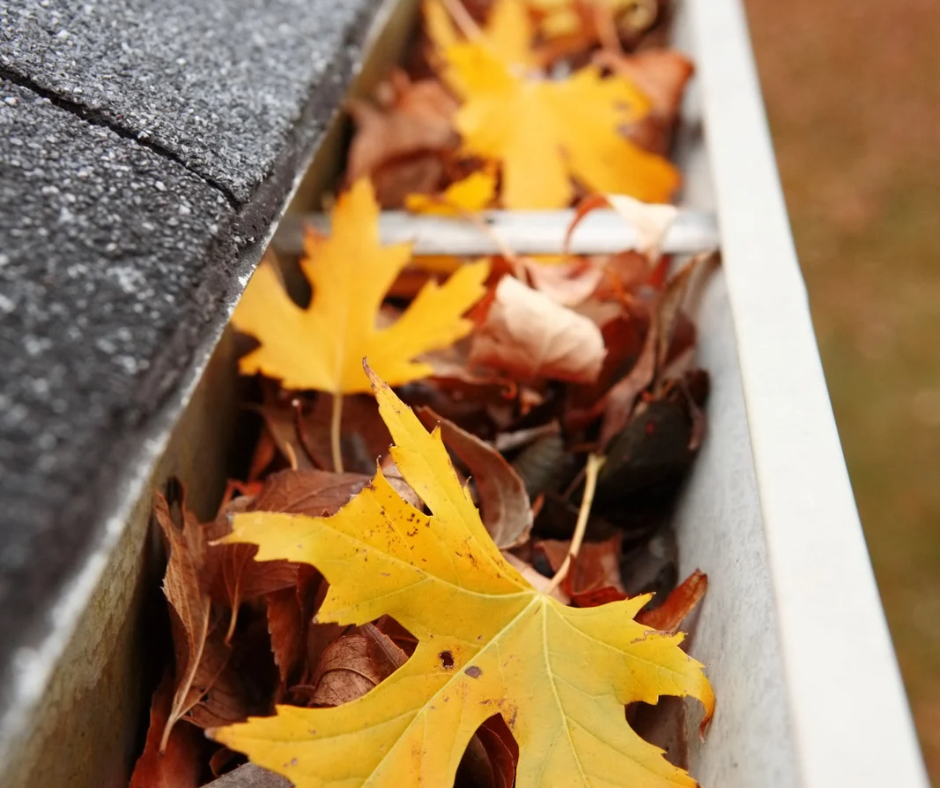
- Clean out your gutters so melting snow can drain instead of freezing into ice dams.
- Check your roof for loose or damaged shingles before heavy snow arrives.
- Seal gaps around windows and doors to keep out drafts and help prevent frozen pipes.
- Disconnect and drain outdoor hoses and sprinkler systems.
- Trim branches that could fall during an ice storm.
These steps will keep your home and property safe and in good shape, and a record of regular maintenance can make your insurance claim go much more smoothly.
Now that the outside is buttoned up, let’s head indoors.
Interior Home Preparation for Extreme Cold
With the outside secured, let’s turn to the inside. Just a few smart habits can keep your pipes intact and your family safe when temperatures plunge.
Print out this checklist and keep it somewhere safe:
- Set your thermostat to at least 55°F, especially when you’re away. This will help keep your pipes from freezing.
- Insulate any pipes in unheated spaces, like basements or crawl spaces.
- Make sure everyone in your household knows where the main water shut-off is. If a pipe does burst, you’ll be glad you can stop the flow in seconds.
- Schedule a furnace service before heating season gets into full swing.
- If you have a gas fireplace, get it serviced before you turn it on for the first time.
- Test your smoke and carbon monoxide detectors.
- Stock an emergency kit with flashlights, batteries, bottled water, and blankets in case a winter storm knocks out the power.
Vehicle Winterization and Maintenance
Your home isn’t the only thing that needs some cold-weather TLC. Your vehicle faces the elements every day, so let’s get it ready for the season.
Here’s a quick checklist to winterize your car or truck:
- Switch to your winter tires, or check the tread depth on your all-season set.
- Test your battery. If it’s weak, consider replacing it before the cold weather finishes it off.
- Check your antifreeze levels.
- Fill up with a winter-formula washer fluid.
- Replace any wiper blades that streak or squeak.
- Pack an emergency kit with blankets, a flashlight, jumper cables, and a bag of sand or kitty litter to help you gain traction if you get stuck in snow or ice.
Even after you run through this winterization checklist, make an effort to always keep your gas tank at least half full to prevent fuel line freeze-up.
Minnesota-Specific Winter Driving Preparations
Winter roads have a few Minnesota-specific quirks, so a quick coverage check belongs on your winterization checklist, too.
Under Minnesota’s no-fault system, your own auto policy pays medical expenses and some lost income after an accident, no matter who caused it. Typically, collision coverage covers crash damage, while comprehensive coverage covers hail, falling ice, and deer.
That last one matters because deer are especially active in our area in late fall. So active that Minnesota drivers have about a 1 in 91 chance of hitting an animal. That makes us 12th nationally for likelihood of animal-related crashes!
Insurance Considerations and Documentation
Preparing your property is half the battle. The other half is making sure your coverage is ready to back you up when the weather gets rough.
Before winter arrives, take photos of your home’s exterior, roof, and main living areas. Then review your homeowners policy to see how it covers ice dams, frozen pipes, and roof collapse from heavy snow.
Also check your coverage for sudden pipe bursts. Typically, sudden bursts are covered, but gradual damage from a lack of heat often isn’t. This is why the maintenance steps above matter so much.
If anything in your policy is unclear, call your agent’s office before the storm hits, not after. A quick phone call now will save you a lot of stress later.
Ready for Winter? Let’s Talk Coverage
A little preparation goes a long way, and the right insurance gives you peace of mind when the snow starts piling up. Rehm Insurance is here to keep your home and vehicles protected all season long.
Do you have questions about which type of policy will keep you safe and warm this winter? Reach out to us for a quote and we’ll help you find the right coverage for you and your family!